Gay vampire movies are the largest theme within queer horror films, but the total number of fully gay-centric films in the genre is surprisingly small. To date, fewer than twenty gay vampire movies have been produced, with several of those being short films. Sadly, much like the wider queer cinema scene, getting wide distribution and availability is hard; a number of the movies below are difficult to find, even from online sources.
When we label a vampire movie as being gay, we are specifically talking about a film where the lead characters are out gay males. Hollywood has produced vampire films for decades with lesbian characters, but often as a way to associate behaviour that wider society saw as deviant with the vampire as a deviant to humanity. There have been better examples in recent years where lesbian relationships within a vampire film are authentic and appropriate. While movies such as Bit are very good on their own, they are not the focus here.
Additionally, we are talking about actual out gay movies, not mainstream unintentionally homoerotic or queer-baiting films. There are many queer themes in Fright Night, the Lost Boys, and other vampire movies, but again this doesn't qualify for our list.
The Best Gay Vampire Films
The quality of gay vampire films varies wildly. Some are truly awful—1313: Boy Crazies should be avoided at all costs. Others are gems that deserve celebration. Not to sound like a pretentious film snob, a good film comes from a good story. How that story is executed matters, but if the editor is using effects and repeated the same clips to pad out the film's length, then something is wrong with the story. But obvious good acting, realistic sets and some attention to makeup is still needed.
So Vam and Scab were both fairly low-budget films—let's be honest, none of the films on our ranking are high budget—but that doesn't matter when the story is actually unique and good. The first Vampire Boys movie told a compelling story with gorgeous cinematography, though the sequel focused more on shirtless vampire boys than narrative depth. Not that there's anything wrong with that—part of the joy of gay vampire cinema is the fantasy it provides.
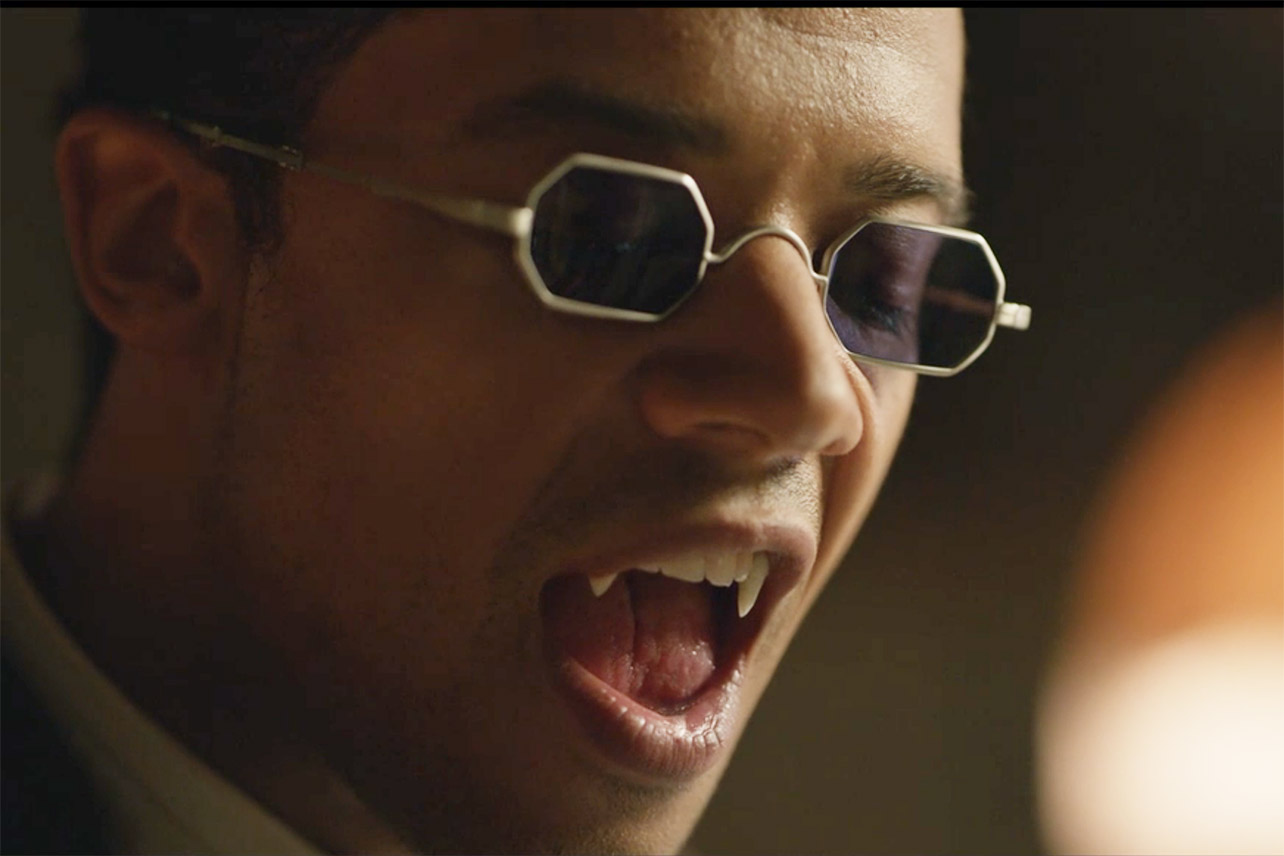
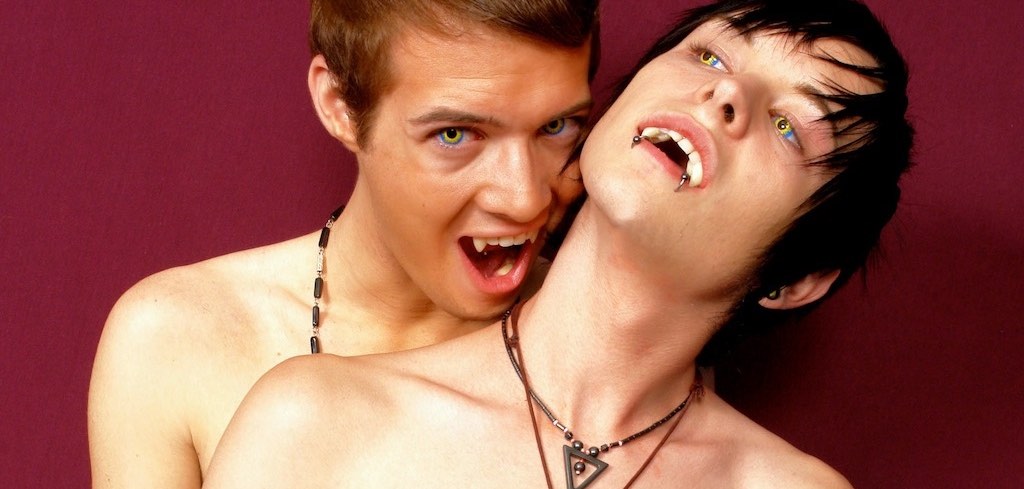
What I look for in a great gay vampire film is simple: fangs. Actual, visible, sharp fangs on hot guys. It's not just aesthetics—it's about embracing the vampire as vampire, not a metaphor or a watered-down romantic interest. When a filmmaker gives their vampires proper fangs and lets them bite, they're respecting both the genre and those of us who revere these creatures of the night.
The tragedy of many vampire films—gay or otherwise—is the brutal murder of vampires at the end. Films like The Lost Boys slaughter their beautiful undead protagonists, which carries its own uncomfortable metaphor. Both gays and vampires have been labeled as "other," as deviant, as threats to normalcy. When vampires are destroyed rather than celebrated, when they can't get their happy ending as immortal beings, it echoes the same societal rejection queer people have faced for centuries. I prefer stories where becoming a vampire is a gift, not a curse—where the turn is an awakening, not a tragedy.
On the short film front, Love Bite and Watch Over Me were two unique and beautifully told stories, both included in Boys on Film compilations. Love Bite—not to be confused with the full-feature film of the same name, or the two other Love Bites films—is only three minutes long, but it perfectly encapsulates what makes gay vampire desire so compelling. It's a master class in setup, anticipation, and subverting expectations.
Gay Vampires on Television
While gay vampire feature films have been scarce, television has provided some of our best gay vampire content, though even scarcer. The Lair on Here TV was groundbreaking when it premiered in 2007—the first gay vampire television series. Running for three seasons, it gave us sexy vampires, actual plot, and unapologetic queer sexuality. The show understood what made vampires compelling: power, desire, immortality, and yes, fangs. (We'll ignore the unnecessary werewolves or witchcraft). 2024 even gave us a followup series, The Lair: OnlyFangs.
More recently, AMC's Interview with the Vampire series has brought Anne Rice's queer vampire world to life in ways the 1994 film only hinted at. The show doesn't shy away from the passionate relationship between Louis and Lestat—it embraces it. This is the gay vampire content Rice always intended, finally freed from Hollywood's previous reluctance to portray explicit queer relationships. And it probably helps that Rice's gay son, author Christopher Rice, is also one of the execuative producers who've been there to keep the show tell to the "immortal universe". The chemistry between the leads, the gorgeous period settings, and the show's willingness to embrace both the horror and the homoeroticism of vampirism make it essential viewing.
Queer Themes in Mainstream Vampire Films
Even before explicitly gay vampire films existed, the genre has always been inherently queer. The vampire itself is a sexual outsider—someone who exists in the shadows, whose desires are forbidden, who transforms willing victims into their own kind. Sound familiar?
The Lost Boys (1987) is drenched in homoerotic tension. The all-male vampire gang, their leather-clad aesthetic, the seduction of Michael by David—it's all there, just barely beneath the surface. And let's not forget the queer coding with Michael's brother Sam, and how Sam is the one to lead the charge in destroying the vampires. David doesn't just want to kill Michael; he wants to seduce him, to make him one of them. The film's tragedy is that these gorgeous, powerful vampires must be destroyed rather than celebrated. They're punished for their difference, for their refusal to conform.
Fright Night (1985) operates on similar frequencies. The relationship between vampire Jerry Dandridge and teenage Charley is charged with forbidden desire. Jerry's nighttime visits, his invasion of Charley's private space, the way he toys with him—it reads as seduction as much as threat. The 2011 remake makes this even more explicit, with Colin Farrell playing Jerry as overtly sexual and dangerous. But it's the seduction of Evil Ed who we see get seduced into immortality.
And then there's Interview with the Vampire (1994). Anne Rice wrote Louis and Lestat as lovers, as a dysfunctional immortal couple raising Claudia together. Hollywood tried to downplay this in the film adaptation, but you can't erase what's fundamental to the story. Tom Cruise and Brad Pitt's performances crackle with tension, desire, and the pain of a relationship that spans centuries. The new AMC series finally gives us what the film couldn't—or wouldn't.
These films matter because they kept the queer vampire alive during decades when explicitly gay vampire films couldn't get made. They provided coded representation when direct representation was impossible. Today, we have more freedom to tell explicitly gay vampire stories, but these classics remain important. They showed us that vampires have always been queer, whether filmmakers intended it or not.
The Future of Gay Vampire Cinema
For several years, it seemed we had entered a gay vampire dry spell. After 2015, new gay vampire feature films became increasingly rare. But the landscape is changing. Interview with the Vampire's success on AMC proves there's an audience for queer vampire content with production values and serious storytelling. The short film scene continues to produce interesting work—films like Seagull (2022) show that independent filmmakers are still drawn to gay vampire stories.
What I hope for the future is more gay vampire films that embrace what makes vampires compelling: the fangs, the power, the transformation, the immortality. More stories where becoming a vampire is liberation rather than curse, where the gay vampire gets to live forever rather than being staked through the heart in the final act. More filmmakers who understand that for many of us, vampires aren't monsters to be feared—they're fantasies to be embraced.
Until then, we have our classics, our adult films, our TV shows, and our community of fellow fang lovers. Welcome to it.
The Fantasy and the Fetish
Let's be honest about why we're here: vampires are hot. The fangs, the power, the danger, the immortality—it's intoxicating. For many of us, vampires aren't just movie monsters; they're objects of desire, subjects of fantasy, and yes, for some of us, a full-on fetish.
There's something profoundly erotic about the vampire bite—the penetration, the exchange of fluids, the transformation it can bring. It's sex and death intertwined, danger and pleasure inseparable. When a gorgeous guy extends his fangs and sinks them into willing flesh, it's the ultimate expression of desire and possession.
This is where gay vampire adult films excel. They understand that the plot doesn't need to be Shakespeare—the fantasy is enough. Watching hot men with actual fangs seduce and turn each other, watching the moment of the bite, the pleasure and pain mixing—that's what we're here for. The adult film industry has given us what mainstream cinema often won't: unapologetic gay vampire sexuality, complete with fangs and biting and the joy of transformation.