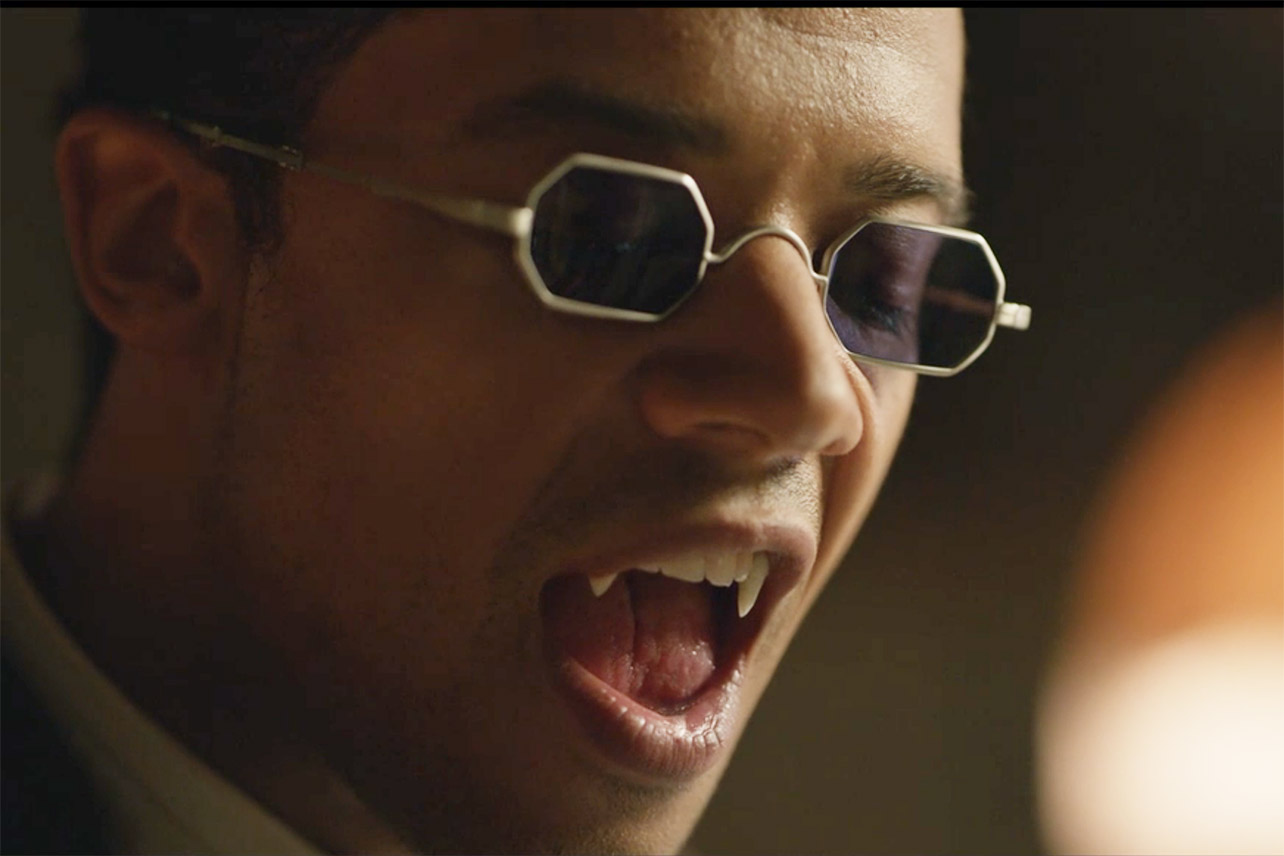
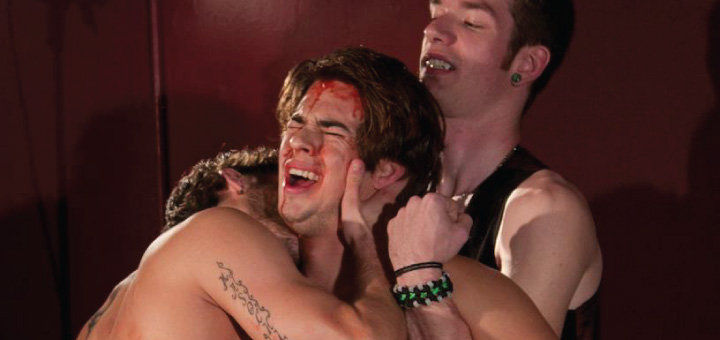
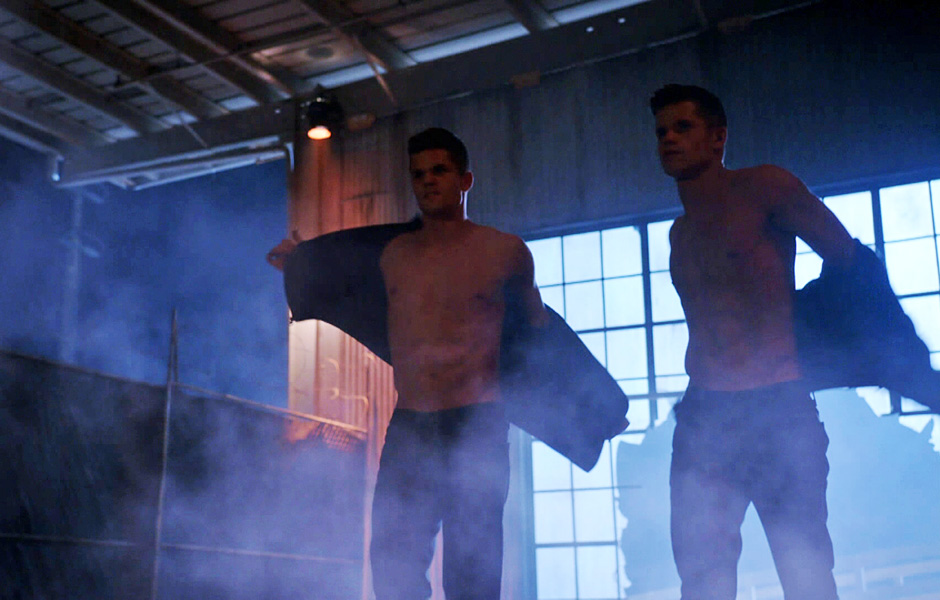
For decades, gay vampires existed only in the subtext of mainstream television—coded glances, homoerotic tension that couldn't be named, vampires who turned beautiful men but whose relationships remained ambiguous at best. That changed in 2007 when Here TV launched The Lair, the first explicitly gay vampire television series. Since then, we've seen a handful of shows willing to focus on gay vampire stories, give us actual fangs, and embrace the sensuality that's always been inherent to vampire mythology.
Television has some advantages over film when it comes to gay vampire content. Multiple episodes allow for deeper character development, more complex relationships, and the time to explore what it really means to be an immortal creature navigating desire across centuries. The serialized format lets us watch characters transform, fall in love, betray each other, and sometimes—gloriously—get their happy endings as vampires rather than being staked in the final act.
What follows is a guide to every explicitly gay vampire television show, from pioneering series that paved the way to recent international productions proving that gay vampire stories have global appeal.
The Gay Vampire TV Shows
The Lair (2007-2009)
The Lair was groundbreaking simply by existing. Here TV's first original series centered on a secret underground sex club for gay vampires on some island (was it California), where journalist Thom investigates a series of murders and gets drawn into the supernatural world. Over three seasons, the show gave us shirtless vampires, actual plot, genuine scares, and unapologetic gay sexuality.
Was it camp? Absolutely. Did it have the budget of a CW show? Not even close (though given the cheapness of CW shows, most filmed in Vancouver... let's say it was close). But The Lair understood what made vampires compelling—power, danger, immortality, and yes, fangs. The vampires in The Lair weren't metaphors or tragic figures doomed to redemption through death. They were sexual predators in the best possible way, gorgeous men who embraced their nature and seduced willing (and sometimes unwilling) victims.
The show's legacy is significant. It proved there was an audience for explicitly gay vampire content with production values and serialized storytelling. Every gay vampire show that came after owes something to The Lair's willingness to be first. But as always, I wish it hadn't had to resort to adding werewolves to the storylines—we weren't getting enough of the vampires as it was!
Interview with the Vampire (2022-present)
If The Lair proved gay vampire television could exist, Interview with the Vampire proved it could be prestige television. AMC's adaptation of Anne Rice's novel finally gives us what the 1994 film only hinted at—Louis and Lestat's relationship as the passionate, toxic, centuries-spanning love story it always was in the source material.
The casting is perfect. Jacob Anderson brings depth and pain to Louis, while Sam Reid's Lestat is charismatic, cruel, and devastatingly sexy. The chemistry between them crackles in every scene. The show doesn't shy away from the violence, the eroticism, or the complexity of their relationship. This is Anne Rice's vision finally freed from Hollywood's previous reluctance to portray explicit queer desire.
What makes Interview special is that it takes its vampires seriously. These aren't camp figures or guilty monsters seeking redemption. They're immortal beings grappling with power, desire, loneliness, and what it means to be both monster and lover. The fangs are gorgeous, the biting is sensual, and the show understands that becoming a vampire is transformation, not curse.
This is the gay vampire content we deserve—beautifully shot, well-acted, thoughtfully written, and finally queer. If you watch only one show on this list, make it Interview with the Vampire.
Ezra (2022)
Canada's OUTtv gave us something different with Ezra—a 500-year-old gay vampire who decides to enter the modern world by becoming a psychology student. When he starts a romance with a human named Ian, the show explores what happens when an immortal being tries to navigate contemporary gay dating, therapy culture, and the complexities of loving someone whose life is measured in decades, not centuries.
Ezra has a lighter tone than Interview with the Vampire or The Lair. It's populated by hot people, the characters are fun, and the plot is witty. The show uses its vampire premise to explore themes of loneliness, connection, and what it means to truly know someone when you've lived for hundreds of years. The romance between Ezra and Ian is sweet, sexy, and ultimately heartbreaking in the way all vampire-human relationships must be.
The tragedy is that we only got ten episodes. Ezra deserved more time to explore its premise, but what we have is charming, thoughtful, and a worthy addition to the gay vampire television canon.
The Lair: OnlyFangs (2024)
Here TV returned to the world of The Lair with OnlyFangs, a revival that pits gay vampires against gay werewolves in modern-day Hollywood. Set in Los Angeles, the show is self-contained to one season (with no word yet on renewal) and brings back the campy, sexy energy of the original series while updating it for 2024 sensibilities.
OnlyFangs delivers what you'd expect from a Here TV production—shirtless supernatural beings, drama, and bloodlust. The vampire-werewolf conflict provides fertile ground for exploring pack mentality versus solitary predators, mortality versus immortality, and of course, which supernatural creature makes a better lover—hint, it's vampires. The show knows what it is and leans into it, giving fans exactly the kind of trashy, sexy, fang-filled content we crave.
Is it prestige television? No. Is it fun? Absolutely. OnlyFangs proves there's room in the gay vampire television landscape for both thoughtful character studies and pure supernatural soap opera.
Recent International Gay Vampire Shows
The last few years have seen an explosion of gay vampire content from Asia, proving that Western productions don't have a monopoly on sexy fanged men. These shows tend toward romantic comedy rather than horror, but they're expanding what gay vampire television can be.
OMG! Vampire (2024) from Thailand brings a lighter touch to the genre. The show has charm and understands its audience, even if it doesn't lean into the darker aspects of vampire mythology. It's perfectly watchable and adds to the growing library of international queer vampire content.
1000 Years Old (2024) explores the loneliness of immortality through a romantic lens. While I haven't seen it yet, the premise—an ancient vampire navigating modern relationships—is fertile ground for exploring what it means to love when you've already lost everyone you've ever cared about.
My Golden Blood (2025) is the newest entry, just released this year. The concept sounds intriguing, though specific details remain elusive. What's clear is that Asian producers see the appeal of gay vampire romance and are willing to invest in bringing these stories to screen.
My Secret Vampire brings a roommate comedy twist to the vampire genre. When naive university student Dongha moves into a shared house, he's unaware his four roommates are vampires who initially view him as prey. But one vampire, Joowon, becomes his protector and eventually his lover. It's a setup ripe for comedy, tension, and romance—the found family dynamics mixed with the constant threat of being eaten creates compelling drama.
These international shows prove that gay vampire stories have global resonance. The themes—immortality, forbidden desire, the struggle between nature and choice—translate across cultures. We're in a golden age of gay vampire television, with more shows being produced than ever before.
Honorable Mentions: Gay Characters in Vampire Shows
Not every vampire show with gay characters qualifies as a "gay vampire show," but some deserve recognition for giving us memorable queer vampire characters, even if they weren't the leads.
What We Do in the Shadows (2019-2025)
FX's vampire comedy has given us several queer vampire characters, not just the relationship between the Baron and his familiar, but the "will they ever" between Nandor and Guillermo (or is that, will Nandor ever figure himself out). The show plays with vampire tropes brilliantly, and its casual inclusion of queer sexuality among its undead characters feels revolutionary precisely because it's treated as unremarkable. These vampires have been around for centuries—of course some of them are gay. The show's genius is treating this as obvious rather than scandalous.
True Blood (2008-2014)
HBO's True Blood featured several gay vampire characters, most prominently Eric Northman's maker Godric (who we drooled over) and the ancient vampire Russell Edgington. While not the focus of the show, these characters proved that mainstream vampire television could include explicitly gay vampires without making their sexuality the only interesting thing about them. Russell Edgington, in particular, was gloriously campy, terrifyingly powerful, and unapologetically in love with his human companion Talbot.
The Vampire Diaries (2009-2017) / The Originals (2013-2018)
The CW's vampire universe eventually included gay characters, though frustratingly late in their runs, and they never really lived up to the potential . The shows were drenched in homoerotic subtext—particularly the relationship between Damon and Alaric—but actual gay representation came slowly. When it did arrive, characters like Josh in The Originals proved that the CW could do queer vampire stories justice. The tragedy is how long it took to get there and the missed opportunties from the original series.
These shows matter because they proved to mainstream audiences that vampire stories could include queer characters without alienating viewers. They paved the way for more explicitly gay vampire content by normalizing what should have always been obvious—vampires have been queer-coded for over a century. It was time to make that text rather than subtext.
The Future of Gay Vampire Television
We could be entering another "golden" age of gay vampire television. Between Interview with the Vampire's success, the international productions coming from Asia, and the potential for other shows to be created, it's clear there's both audience demand and creative interest in these stories.
What I hope for is more variety. More shows that treat vampires as vampires—powerful, dangerous, immortal beings with fangs—rather than sparkly romantic interests or tragic figures seeking redemption. More happy endings where the gay characters get to stay vampires, to embrace their immortality and their desire without being punished for it. More shows that understand the erotic potential of the vampire bite, the intimacy of turning someone, the complexity of loving across centuries.
Interview with the Vampire proves that prestige gay vampire television is possible. The international shows prove there's global appetite for these stories. The question now is who'll be brave enough to give us the next great gay vampire series. Until then, we have more quality content than ever before. It's a good time to be a gay vampire fan.